

Quick Answer
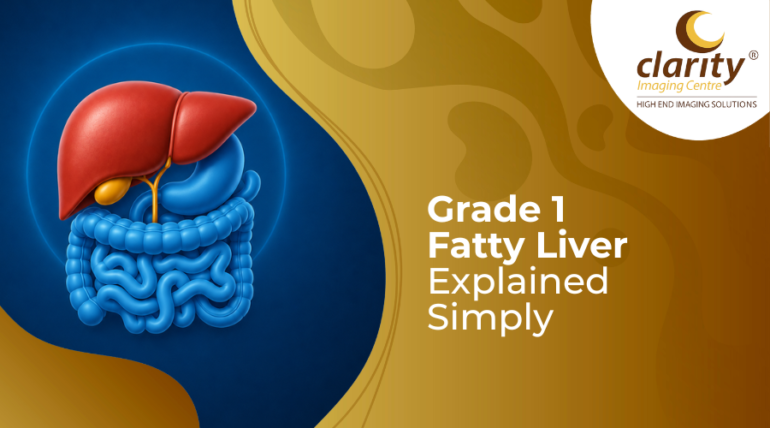
Grade 1 fatty liver is the earliest and mildest stage of fat buildup in the liver, which is frequently caused by a poor diet, obesity, diabetes, or excessive alcohol consumption. At this point, the liver normally sustains little or no chronic damage. In most people, grade 1 fatty liver can be completely reversed with the correct lifestyle adjustments, such as a balanced diet, frequent exercise, and timely medical check-ups.
Quick Overview Table
| Topic | Key Information |
| What it is | The earliest stage of fat buildup in liver cells |
| Main causes | Poor diet, obesity, diabetes, alcohol, and high cholesterol |
| Common symptoms | Usually none; mild fatigue or upper abdominal discomfort |
| Key diagnostic tests | Ultrasound, liver function test (LFT), FibroScan |
| Treatment approach | Lifestyle changes diet, exercise, weight loss |
| Is it reversible? | Yes, fully reversible with early action and medical guidance |
Table of Contents
- Introduction
- What Is Grade 1 Fatty Liver?
- Is Grade 1 Fatty Liver Serious?
- Common Causes and Risk Factors
- Symptoms of Grade 1 Fatty Liver
- How Grade 1 Fatty Liver Is Diagnosed
- Grade 1 Fatty Liver Treatment and Lifestyle Changes
- Diet Tips: Foods to Eat and Foods to Avoid
- Can Grade 1 Fatty Liver Be Reversed?
- When to See a Doctor
- Conclusion
- FAQs
Introduction
Many people experience a surge of fear when they encounter the words “fatty liver” in their ultrasound report. What is the good news? A diagnosis of grade 1 fatty liver is not cause for alarm; rather, it is a call to act quickly and wisely. Grade 1 fatty liver is the initial stage of hepatic fat buildup and is usually treatable and reversible with appropriate management.
What Is Grade 1 Fatty Liver?
Grade 1 fatty liver, also known as grade 1 hepatic steatosis or mild fatty liver, is the initial and least severe stage of fatty liver disease. It occurs when fat deposits exceed 5% of the liver’s weight but have not yet resulted in severe inflammation or scarring.
Grade I fatty liver is generally discovered incidentally during an abdominal ultrasound performed for unrelated reasons. The liver may seem moderately echogenic (brighter than normal) on imaging, indicating early fatty infiltration.
There are two main types:
- Alcoholic fatty liver disease (AFLD)
- Non-alcoholic fatty liver disease (NAFLD)
Also read: https://pmc.ncbi.nlm.nih.gov/articles/PMC4093692/
Is Grade 1 Fatty Liver Serious?
Grade 1 fatty liver is generally regarded as the least dangerous stage of fatty liver disease. It seldom leads to liver failure, cirrhosis, or irreversible organ damage. However, it is a significant warning indication.
If not treated, grade 1 fatty liver can progress to grade 2 or 3, and finally to non-alcoholic steatohepatitis (NASH), fibrosis, or cirrhosis. Early intervention makes all the difference, which is why prompt diagnosis and follow-up are critical.
Common Causes and Risk Factors
Causes of Grade 1 fatty liver are frequently linked to lifestyle and metabolic health. Common risk factors are:
Risk Factors
- High-fat, high-sugar diet
- Obesity or overweight
- Type 2 diabetes/insulin resistance
- High cholesterol or triglycerides
- Excessive alcohol intake
- Sedentary lifestyle
Other risk factors include rapid weight loss, certain drugs (such as steroids or tamoxifen), hypothyroidism, and a family history of liver disease.
Symptoms of Grade 1 Fatty Liver
Most people with grade 1 fatty liver symptoms feel next to nothing, which is why the problem is often identified during routine scans. However, some people could notice:
- Mild fatigue or inexplicable exhaustion
- A dull, weighty feeling in the upper right abdomen
- Mild bloating or pain after eating
- Occasional nausea
Important: Severe symptoms such as yellowing of the eyes or skin (jaundice), dark urine, severe abdominal pain, unexplained weight loss, vomiting blood, or mental confusion are red flags that demand emergency medical attention; do not put off obtaining assistance.
How Grade 1 Fatty Liver Is Diagnosed
Doctors use imaging studies and blood tests to confirm and assess the severity of fatty liver. The most popular diagnostic tools are:
- Ultrasound (Sonography)
- Liver Function Test (LFT)
- Lipid Profile and Blood Sugar
- FibroScan (Transient Elastography)
Consider having an examination at a reputable scan centre in Coimbatore that offers advanced imaging and pathology services.
Grade 1 Fatty Liver Treatment and Lifestyle Changes
No one drug can “cure” grade 1 fatty liver. Treatment for grade 1 fatty liver focuses primarily on addressing the underlying causes through lifestyle changes. Your doctor’s evaluation, test results, and overall health history will determine your treatment plan.
Key suggested lifestyle changes include:
- Weight Management
- Regular Exercise
- Avoid Alcohol
- Blood Sugar and Cholesterol Control
- Regular Follow-up
Diet Tips: Foods to Eat and Foods to Avoid
Recovery relies heavily on a structured fatty liver diet. Here’s a simple guide:
Foods to Include
- Green leafy vegetables
- Fruits low in sugar
- Whole grains
- Legumes
- Healthy fats
- Green tea
Foods to Avoid
- Fried, deep-fried, and fatty foods
- Sugary beverages
- Refined carbohydrates
- Red meats and processed meats
- Alcohol in every form
- Excessive salt and preservative-rich prepared meals
Can Grade 1 Fatty Liver Be Reversed?
Absolutely. The liver can be restored to health with long-term dietary modifications, frequent physical activity, weight loss, alcohol avoidance, and medically managed diabetes or cholesterol treatment. Many patients experience measurable improvement on follow-up ultrasound exams within 3 to 6 months of making lifestyle modifications.
The key is consistency and prompt action. The earlier the intervention, the better the outcome.
Also read about: Liver healing signs
When to See a Doctor
You should see a doctor if:
- You were just diagnosed with fatty liver, according to an ultrasound scan
- You are experiencing persistent lethargy, upper abdominal discomfort, or unexpected weight gain
- You have risk factors, such as obesity, diabetes, high cholesterol, or a family history of liver disease
- If you observe yellowing of the skin or eyes, dark urine, or severe abdominal pain, seek urgent care immediately
- You wish to get a comprehensive liver health evaluation, including LFT, lipid profile, blood sugar, and ultrasound
Once fatty liver is discovered, schedule follow-up scans or blood tests as soon as possible. Early detection is your greatest defence.
Medical Disclaimer
This blog is intended for informative purposes only and does not provide medical advice. Please see a qualified healthcare expert for a personalized diagnosis, treatment, and dietary recommendations based on your medical history and test results.
Conclusion
Grade 1 fatty liver is your body’s wake-up call, and the good news is that you still have the option to reverse it. At this early stage, the liver has not yet experienced considerable damage, and with the right lifestyle modifications, it can fully heal.
An organised fatty liver diet, regular physical activity, weight management, abstaining from alcohol, and prompt follow-up testing are all necessary for recovery. Don’t wait for symptoms to get worse. Speak with your doctor, obtain a full liver profile, and take the first step toward improved liver health today.
Take control of your liver health before it becomes serious with the right diagnosis, lifestyle guidance, and regular follow-up care.
Book your liver health checkup today and start your journey toward better, healthier living.
FAQs
1. What is a Carotid Doppler test?
A Carotid Doppler test is an ultrasound examination used to monitor blood flow through the carotid arteries in the neck.
Why is a Carotid Doppler ultrasound done?
Carotid Doppler ultrasound is used to detect stenosis, blockages, and plaque buildup in the carotid arteries.
3.Is a Carotid Doppler test painful?
No, a Carotid Doppler test is painless, non-invasive, and does not involve any injections.
4. What are normal values in a Carotid Doppler report?
A typical Carotid Doppler report demonstrates smooth blood flow with no substantial constriction or obstruction of the vessels.
5. How long does a Carotid Doppler ultrasound take?
A Carotid Doppler test is an ultrasound examination used to monitor blood flow through the carotid arteries in the neck.
6. Can Carotid Doppler detect stroke risk?
Carotid Doppler ultrasound is used to detect stenosis, blockages, and plaque buildup in the carotid arteries.
7. What happens if the Carotid Doppler result is abnormal?
No, a Carotid Doppler test is painless, non-invasive, and does not involve any injections.
8.What is the cost of a Carotid Doppler test in India?
A typical Carotid Doppler report demonstrates smooth blood flow with no substantial constriction or obstruction of the vessels.


