



Quick Answer
A prolactin test is a simple blood test that measures the hormone prolactin in your bloodstream. It helps doctors check pituitary gland function and diagnose issues like unexplained infertility or irregular menstrual cycles. In men and non-pregnant women, normal prolactin is typically low (under 20–25 ng/mL). Elevated prolactin levels can signal conditions like pituitary tumors or hypothyroidism. Proper preparation (usually a morning draw) ensures accurate results.
Quick Overview
| Category | Details |
| Test Type | Blood test measuring pituitary prolactin |
| Purpose | Investigate infertility, irregular cycles, fertility issues |
| Procedure | Morning blood draw (3–4h after waking) |
| Normal Range | Men: ~3–20 ng/mL; Women (nonpregnant): ~5–25 ng/mL |
| Cost (India) | ~₹200–₹400 (varies by location) |
Table of Contents
- What Is a Prolactin Test?
- Why Is a Prolactin Test Done?
- Prolactin Test Procedure
- Prolactin Test Preparation
- Normal Prolactin Levels for Men and Women
- High and Low Prolactin Levels: Causes & Symptoms
- Cost of Prolactin Test in India
- Conclusion
- FAQs
What Is a Prolactin Test?
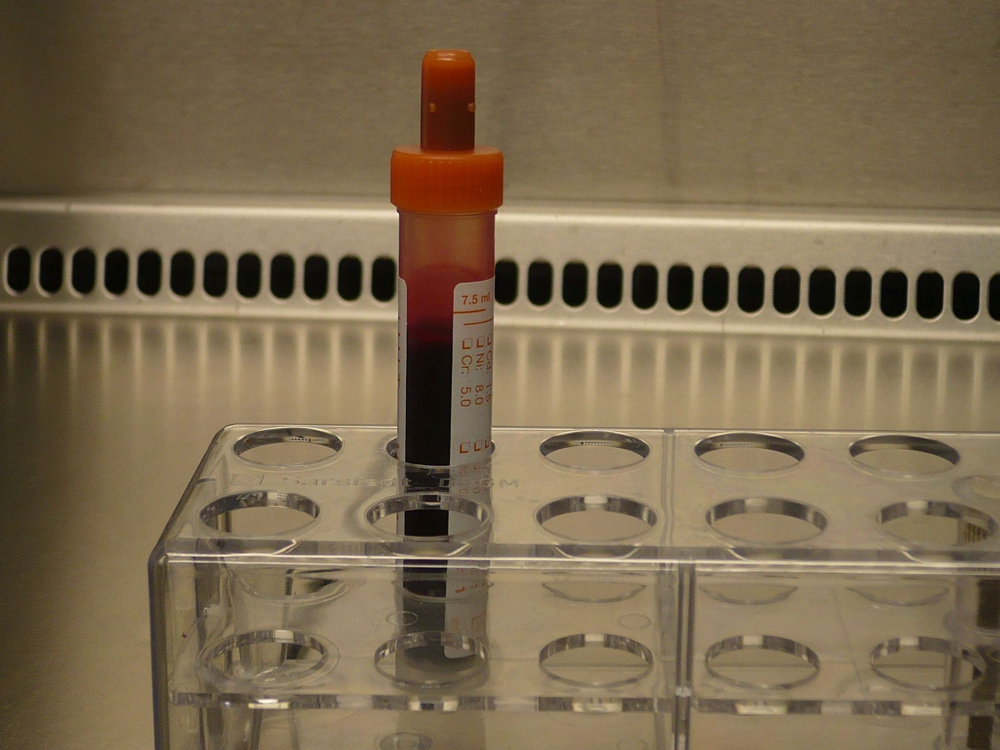
A prolactin test is a serum blood test that measures the level of prolactin hormone made by the pituitary gland. Prolactin’s main role is to stimulate breast growth and milk production after childbirth. For others, prolactin is normally kept low. The test is often part of a hormone panel and is performed via routine blood draw. Clarity Imaging Centre offers reliable, NABL-accredited lab testing for prolactin levels to aid diagnosis.
- Also called PRL blood test or prolactin hormone test: Measures serum prolactin concentration in a blood sample.
- Purpose: Evaluates pituitary gland function and potential causes of hormone imbalance.
- Method: Performed as a standard blood draw in a lab setting.
- Frequency: As needed often when investigating fertility or endocrine issues.
Don’t ignore symptoms like unexplained fertility problems or abnormal breast discharge. Talk to your doctor about getting a prolactin test. Clarity Imaging Centre’s expert lab team can help schedule your test.
Why Is a Prolactin Test Done?
A prolactin test is ordered to help diagnose conditions related to hormone imbalance. It is commonly used when a patient has symptoms like irregular periods, infertility, or unusual nipple discharge. In women, excess prolactin can disrupt ovulation and menstrual cycles; in men, it can cause erectile dysfunction and low libido. Doctors also check prolactin to evaluate pituitary tumors (prolactinomas) or underlying issues like hypothyroidism.
- Irregular menstrual cycles or amenorrhea: A common reason to test; high prolactin can halt periods and cause infertility.
- Infertility evaluation: High prolactin levels may prevent conception in both men and women.
- Galactorrhea (milk discharge): Unexplained lactation in non-pregnant women suggests checking prolactin.
- Low libido or erectile dysfunction: In men, high prolactin often ties to sexual dysfunction.
- Pituitary concerns: Suspected pituitary tumors or head injuries (which can affect prolactin production).
If you have any of these issues, consider a prolactin test. Consult an endocrinologist or specialist to interpret results and next steps.
Prolactin Test Procedure
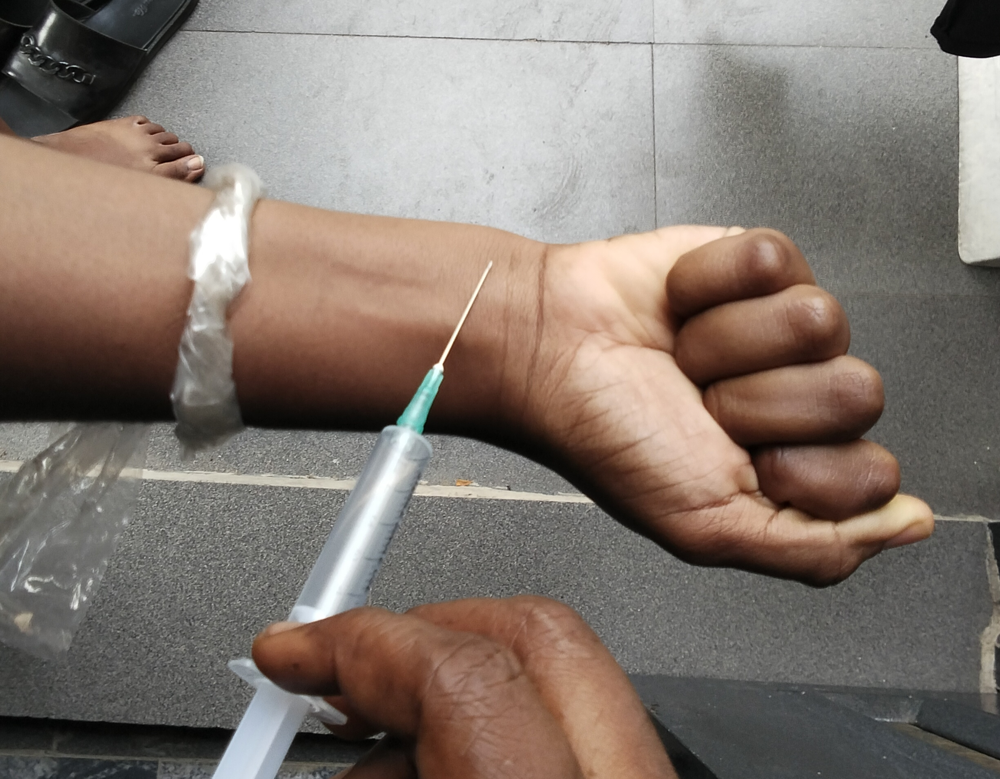
Prolactin testing involves a routine blood draw. A lab technician will insert a small needle into a vein (usually in the arm) and collect blood into a tube. You may feel a quick pinch, but the procedure is very brief. The tube is often a serum vial (no anticoagulant), as prolactin is measured in blood serum. Timing matters: labs typically schedule the draw 3–4 hours after waking for accuracy. After collection, the sample is sent to the lab for analysis. Results are usually ready within 24 hours.
- Morning Timing: Schedule the draw a few hours after you wake up to avoid natural morning spikes in prolactin.
- Blood Collection: A standard 3–5 mL blood sample is drawn into a tube; no fasting is usually needed.
- Lab Analysis: The serum prolactin is measured using immunoassay methods in a certified lab.
- Comfort: Minimal discomfort besides the needle prick, there is no pain. Move or squeeze your fist during draw to help blood flow.
- Follow-up: Your doctor will compare the result to the lab’s reference range (provided on the report) to decide if further tests (like MRI of the pituitary) are needed.
Prolactin Test Preparation
Proper preparation is key to an accurate prolactin test. Unlike some blood tests, fasting is typically not required. However, certain conditions can affect prolactin levels, so follow these tips:
- No fasting needed: You can eat and drink normally before the test. Water intake is fine.
- Timing: Aim for the morning session, 3–4 hours after you wake, as recommended by most guidelines.
- Reduce stress: Avoid strenuous exercise and extreme stress the day before; these can transiently raise prolactin. Rest well the night before.
- Medication: Inform your healthcare provider about any medications (antipsychotics, antidepressants, etc.) as they may affect prolactin. Do not stop essential meds without advice.
- Comfort: Wear a loose sleeve or short-sleeve shirt for easy access to your arm.
By following these steps, you help ensure the results reflect your true hormone status. If you need more guidance, contact Clarity Imaging.
Normal Prolactin Levels for Men and Women
| Group | Normal Range (ng/mL) |
| Men | ~3–20 ng/mL (approx.) |
| Women (non-pregnant) | ~5–25 ng/mL (approx.) |
| Pregnant women | 80–400 ng/mL (varies by trimester) |
In healthy adults, prolactin is much higher during pregnancy and breastfeeding. For non-pregnant individuals, values above these ranges may indicate hyperprolactinemia, while very low levels (rare) suggest pituitary underactivity. Every lab provides its own reference range with your report, so compare your result to that. If your value falls outside the normal range above, discuss it with your doctor for interpretation.
High and Low Prolactin Levels: Causes & Symptoms
High or low prolactin levels can signal different health issues. Hyperprolactinemia (high PRL) is commonly caused by a pituitary adenoma (prolactinoma), hypothyroidism, kidney disease or certain medications. Women with high prolactin may experience missed periods, infertility, or spontaneous milk production; men might notice erectile dysfunction, low libido, or breast enlargement. Lifestyle factors like stress or strenuous exercise can also temporarily raise prolactin.
- High prolactin causes: Pituitary tumors, thyroid disorders, chest or brain injury, or drugs (e.g., antipsychotics).
- High prolactin symptoms: In women – amenorrhea (no periods), galactorrhea (milky discharge), infertility; in men – sexual dysfunction, impotence.
- Low prolactin (hypoprolactinemia): Rare; may occur with pituitary damage or after severe blood loss (Sheehan’s syndrome). Some headache or medications (dopamine drugs) can lower prolactin.
- Action: Abnormal prolactin warrants investigation (repeat test, pituitary imaging). Treatment depends on cause (e.g., medication or surgery for prolactinoma).
Ask your provider about follow-up if you have unexplained symptoms of hormone imbalance. Regular monitoring may be needed for diagnosed prolactinoma or thyroid issues.
Cost of Prolactin Test in India
Prolactin test pricing in India varies by city and lab. Generally, you can expect a range of ₹200–₹500 for a single prolactin blood test in major cities. Private labs and branded centres may charge more, while government hospitals may be cheaper or even free. At Clarity Imaging Centre in Coimbatore (NABL-accredited), we aim for transparent, competitive lab fees.
- Typical Range: About ₹200–₹400 in urban areas (often slightly higher for premium services).
- Inclusions: Price usually covers blood draw, lab analysis, and report. Ask if preparation or follow-up consultations are extra.
- Packages: Some clinics offer hormone panels (e.g., FSH, LH, prolactin together) at bundled rates.
- Local Testing: Clarity Imaging Centre offers prolactin testing under its clinical lab services at standard rates. You can check “Clinical Laboratory Testing” on our site for details.
- Booking: Compare costs on lab websites or call ahead. Use promo codes or health package deals.
For exact charges, check the lab’s official price list or call before visiting. We maintain competitive pricing and quality service at Clarity Imaging.
Conclusion
The prolactin test is a quick, reliable way to assess your hormone levels related to reproductive and pituitary health. Key takeaways: it requires a simple morning blood draw (no special fasting), and has different normal ranges for men, women, and pregnant women. Results outside the normal range may indicate pituitary or endocrine issues that need further evaluation. Understanding what affects prolactin can guide your treatment or fertility plan.
If you experience symptoms like irregular menstrual cycles, infertility, or unexpected breast discharge, discuss prolactin testing with your healthcare provider. Clarity Imaging Centre offers accurate prolactin testing and expert interpretation to help you take the next step in managing your health.
Ready to get started? If you need a prolactin test or have concerns about your hormone health, schedule your test with Clarity Imaging Centre today.
Our NABL-accredited lab in Coimbatore provides reliable blood testing and expert guidance.or call us to book a slot.
Stay proactive about your reproductive health by getting tested and consulting with specialists who can advise you on the best treatment or next steps.
FAQs
1. What is a prolactin blood test used for?
A prolactin blood test measures the hormone prolactin from a pituitary gland sample. It’s used to investigate causes of infertility, irregular periods, unexplained milk production, or low sex drive. By checking prolactin levels, doctors can diagnose prolactinomas or other hormonal disorders.
2. Why would my doctor order a prolactin test?
Doctors order a prolactin test to evaluate symptoms like missed periods, infertility, or nipple discharge. In men, it’s checked for low libido or erectile dysfunction. The test also helps find pituitary or thyroid problems that could affect reproductive health.
3. How should I prepare for a prolactin test?
Preparation is minimal. Typically no fasting is needed. You should schedule the test in the morning (3–4 hours after waking) to avoid diurnal peaks. Avoid strenuous exercise and let your doctor know about any medications, as some drugs affect prolactin levels.
4. What are the normal prolactin levels in men and women?
Normal prolactin ranges vary by lab, but typically men have ~3–20 ng/mL and non-pregnant women ~5–25 ng/mL. During pregnancy, prolactin is much higher (80–400 ng/mL). Each lab’s report will list its reference range for your test.
5. What symptoms indicate high prolactin levels?
High prolactin (hyperprolactinemia) can cause menstrual irregularity or absence in women, milk production (galactorrhea), and infertility. In men, it may lead to erectile dysfunction, reduced libido, or breast changes. Headaches and vision changes can occur if a pituitary tumor is present.
6. Is the prolactin test painful?
No, the prolactin test is a routine blood draw. You’ll feel a quick pinch as the needle is inserted into your arm vein, but the discomfort is brief. The process is similar to any standard blood test and is generally well-tolerated.
7. How much does a prolactin test cost in India?
Prices vary by city and lab. In most Indian cities the standalone prolactin test costs around ₹200–₹400. Clarity Imaging Centre offers competitive lab pricing in Coimbatore. Check online listings or call labs directly for current rates, and look for diagnostic packages for potential savings.
References
- National Institutes of Health, MedlinePlus: Prolactin Levels.
- Apollo Clinic India, Prolactin Test Price and Preparation.
- Metropolis Healthcare, Prolactin Test: Normal Range, Levels, Purpose.
- MyDiagnostics, Prolactin Test Normal Range & Symptom


