


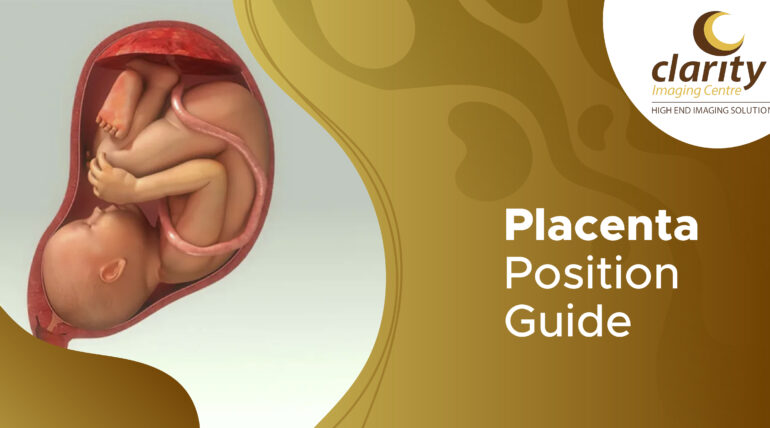
During pregnancy, you may hear your doctor talk about the placenta and its position during routine scans. The placenta helps your baby grow by delivering oxygen and nutrients. A posterior placenta ultrasound determines where the placenta is attached within the uterus. Many expecting mothers wonder if this position is typical and what it indicates for their pregnancy. Understanding how the placenta’s placement affects your body might boost your confidence during your pregnancy.
This article describes what a posterior placenta is, how to identify it on ultrasound, and how it may affect your pregnancy and delivery.
What is Posterior Placenta
A posterior placenta indicates that it is linked to the back wall of your uterus, facing your spine. This is a typical and healthy placental position during pregnancy.
Before we understand placenta positions, we should first understand what a placenta is and why it is important.
The placenta is an organ that grows during pregnancy and connects the infant to the uterine wall. Its primary roles include:
- Providing oxygen and nutrition to the newborn
- Remove trash from the baby’s blood
- Producing hormones that encourage pregnancy
Placenta posterior refers to the placenta’s growth along the back of the uterus rather than the front, according to medical professionals.
How Placenta Position Is Determined on Ultrasound
Routine prenatal scans typically identify the placenta’s position.
Doctors use ultrasound imaging to inspect the uterus and detect where the placenta has formed. The scan confirms the placenta’s proper position and ensures that it does not block the cervix.
Placenta position is generally assessed during:
- First-trimester scans
- Mid-pregnancy abnormality scans
- Follow-up scans, as needed
If you’re seeking a reputable ultrasound scan centre in Coimbatore, competent doctors can accurately determine placental position and track foetal growth.
Types of Placenta Positions
During pregnancy, the placenta can attach in several areas of the uterus. The different types are as follows:
| Placenta Position | Description |
| Anterior | Placenta attaches to the front uterine wall |
| Posterior | Placenta attaches to the back wall |
| Fundal | Placenta is located at the top of the uterus |
| Lateral | Placenta forms on either side of the uterus |
Doctors may clarify that placenta anterior indicates the placenta is on the front wall of the uterus, facing the belly.
As long as the placenta does not cover the cervix, each of these positions is considered normal.
Is Posterior Placenta Normal?
Yes, this placental position is considered perfectly typical in most pregnancies.
Many doctors consider it a good position since it allows them to sense foetal movements more easily. Since the placenta is behind the baby, it does not cushion movements as well.
Some common observations are:
- Baby movements might be felt early
- Ultrasound images might be crisper
- Sometimes it’s easier to detect heartbeats
In general, this location does not affect the baby’s development or pregnancy outcomes.
Check out the various types of scans during your pregnancy in this blog.
Posterior vs Anterior Placenta
To help expectant mothers understand how placental position can affect pregnancy experiences, doctors often discuss an anterior versus a posterior placenta.
| Features | Posterior Position | Anterior Position |
| Placenta location | Back wall of the uterus | Front wall of the uterus |
| Fetal movements | Often felt earlier | Sometimes felt later |
| Scan clarity | Usually clearer | May slightly reduce movement sensation |
Some mothers also enquire about the advantages of an anterior placenta, which may include cushioning the baby and reducing the strength of kicks.
Both positions are generally safe and appropriate during pregnancy.
Effects on Pregnancy & Baby
The position of the placenta rarely causes issues in a healthy pregnancy.
However, some aspects of fetal placement may remain. During labour, some newborns may migrate into the occiput posterior position, in which they face the mother’s abdomen.
Potential experiences include:
- Increased awareness of baby kicks
- Clear detection of foetal movement
- Normal Pregnancy Progression
Although there is no scientific proof connecting the placenta’s placement to the baby’s gender, some parents are also concerned by opinions like the posterior placenta gender theory.
When to Be Concerned
In most cases, the placenta’s position does not cause complications.
However, doctors closely examine the placental position to rule out unusual problems. These could include cases in which the placenta develops too low in the uterus.
Signs that need monitoring include:
- The placenta covers the cervix
- Unusual bleeding during pregnancy
- Abnormal scan results
Doctors also assess whether the placental position is ideal for normal delivery; however, numerous positions can still support a healthy vaginal birth.
Regular prenatal checkups help ensure the placenta is functioning properly.
When to See a Doctor
It is essential to attend all planned prenatal appointments and share any unexpected symptoms with your doctor.
Seek medical advice if you observe:
- Vaginal haemorrhage during pregnancy
- Severe abdominal pain
- A sudden decrease in baby movement
- Persistent discomfort
Your doctor will perform regular scans and tests to check placental health and foetal development.
Disclaimer
The information in this article is meant solely for educational awareness and general information. It is not intended to replace professional medical advice, diagnosis, or treatment. Always consult a qualified healthcare professional or doctor regarding any medical condition or health concern.
Conclusion
Understanding placental position might help you feel more knowledgeable and confident throughout your pregnancy. A posterior placenta forms along the back wall of the uterus and is deemed normal and healthy.
Ultrasound scans allow doctors to monitor placental development and ensure that it supports your baby’s growth throughout the pregnancy. The majority of placental locations, both anterior and posterior, do not affect pregnancy outcomes or delivery options.
Attending frequent prenatal appointments and following your doctor’s recommendations will help you and your baby stay healthy throughout your pregnancy.
For accurate pregnancy scans and expert prenatal care, visit Clarity Imaging.
FAQs
1. Is it good to have a posterior placenta?
Yes. It is considered a normal and healthy placenta position during pregnancy.
2. Posterior placenta means boy or girl?
The position of the placenta does not determine the gender of the infant. It is merely a myth.
3. Is it easier to deliver with a posterior placenta?
Yes, many doctors recommend it because it rarely interferes with labour.
4. Which placenta position is best for delivery?
Most positions are safe, but fundal or posterior placements frequently facilitate smooth delivery.
5. How to sleep with a posterior placenta?
Sleeping on your left side can be helpful during pregnancy.
6. Which placenta is easy for a normal delivery?
The posterior and fundal placentas are frequently associated with normal vaginal birth.
7. Which is better, an anterior or a posterior placenta?
Both are normal. The difference primarily influences how early you detect baby movements.
8. Do you feel the baby more with an anterior or a posterior placenta?
A posterior placenta usually causes you to feel movements early and more strongly.


