

Quick Answer
A PCOS test helps diagnose hormonal imbalance causing irregular periods, weight gain, acne, and fertility issues. Early testing and treatment help manage symptoms and prevent long-term health problems.
Quick Overview
PCOS (Polycystic Ovary Syndrome) is a common hormonal condition affecting women of reproductive age. It can disturb menstrual cycles, ovulation, metabolism, and overall health. This blog explains PCOS symptoms, causes, diagnostic tests, treatment options, and prevention tips, helping women understand when to get tested and how to manage PCOS effectively.
Table of Contents
- Introduction
- What is PCOS (Polycystic Ovary Syndrome)?
- What Age Does PCOS Usually Start?
- Symptoms and Causes of PCOS
- When Should You Get Tested for PCOS?
- How is PCOS Diagnosed?
- What Tests Are Done to Diagnose PCOS?
- How is PCOS Managed or Treated?
- Prevention & Long-Term Health Risks if Untreated
- Disclaimer
- Conclusion
- FAQs
Introduction
Have you been experiencing irregular periods, sudden weight gain, acne, or excessive hair growth and wondering what could be the reason? These symptoms may be linked to PCOS, a common hormonal condition affecting many women today.
Polycystic Ovary Syndrome (PCOS) can impact menstrual cycles, fertility, metabolism, and overall health if not diagnosed and managed on time. This is why getting a PCOS test and proper medical evaluation is important for early detection and treatment.
In this guide, we’ll explain everything in simple terms from PCOS symptoms and causes to the tests used for diagnosis and the next steps after confirmation. By the end, you’ll clearly understand when to take a PCOS test and how timely care can help manage the condition effectively.
What is PCOS (Polycystic Ovary Syndrome)?
Polycystic Ovary Syndrome (PCOS) is a common hormonal condition that affects women during their reproductive years. It occurs when the ovaries produce higher-than-normal levels of male hormones (androgens), which can disturb the regular menstrual cycle and affect ovulation.
In women with PCOS, the ovaries may develop many small fluid-filled sacs, often called cysts, and may fail to release eggs regularly. This can lead to irregular periods, difficulty in getting pregnant, weight gain, acne, and excessive hair growth.
PCOS not only affects reproductive health but can also impact metabolism, insulin levels, and overall well-being if not managed properly. Early diagnosis through a PCOS test and medical guidance can help control symptoms and prevent long-term health complications.
Many people also ask what is PCOD, as both PCOD and PCOS are related to ovarian hormonal imbalance. However, PCOS is considered a more complex metabolic and hormonal disorder that may require medical attention and lifestyle management.
What Age Does PCOS Usually Start?
PCOS usually begins during the teenage years or early twenties, often soon after a girl starts getting her menstrual periods. In many cases, symptoms first appear between 15 and 25 years of age, but the condition may go unnoticed for years because irregular periods are common during early adolescence.
Some girls, including an unmarried girl, may ignore symptoms like irregular cycles, sudden weight gain, acne, or excess hair growth, assuming they are normal hormonal changes.
PCOS can also be diagnosed later when women face issues like irregular ovulation or difficulty managing weight or hormonal symptoms.
In short, PCOS can start soon after puberty, but early awareness and medical guidance make a big difference in managing symptoms effectively.
Symptoms and Causes of PCOS
PCOS symptoms can vary from person to person, and not all women experience the same signs. Some may notice changes early, while others realize the condition only when menstrual cycles become irregular or other health concerns appear.
Common Symptoms of PCOS
- Irregular or missed menstrual periods
- Excess hair growth on face or body
- Persistent acne or oily skin
- Sudden weight gain or difficulty losing weight
- Hair thinning or hair loss on the scalp
- Darkened skin patches, especially around the neck, under the breast or underarms
- Difficulty in ovulation or fertility issues
- Mood changes and fatigue
These symptoms often represent the first signs of PCOS, but many women ignore them thinking they are temporary hormonal changes.
Causes of PCOS
The exact cause of PCOS is still not fully known, but several factors contribute to the condition:
- Hormonal imbalance, especially excess male hormones (androgens)
- Insulin resistance, leading to weight gain and hormone changes
- Genetic factors, as PCOS often runs in families
- Inflation and lifestyle factors, including poor diet and lack of exercise
While there is no permanent PCOS cure, early diagnosis and proper PCOS treatment, including lifestyle changes, medical support, and regular monitoring, can effectively manage symptoms and improve overall health.
When Should You Get Tested for PCOS?
You should consider getting tested for PCOS if you notice persistent changes in your menstrual cycle or experience symptoms related to hormonal imbalance. Early testing helps in managing symptoms and preventing future health complications.
You may need a PCOS test if you notice:
- Irregular, delayed, or missed periods
- Excess facial or body hair growth
- Severe or recurring acne issues
- Sudden weight gain or difficulty losing weight
- Hair thinning or hair loss
- Difficulty in conceiving
- Persistent fatigue or mood changes
Doctors usually recommend consulting a gyno doctor if these symptoms continue for a few months. After evaluation, the doctor may suggest tests such as a hormone test for PCOS, PCOS blood test, or a PCOS ultrasound to confirm the condition.
Early testing allows timely treatment and better symptom control, helping women maintain hormonal and reproductive health.
How is PCOS Diagnosed?
PCOS is diagnosed through a combination of symptom evaluation, medical history, physical examination, and specific medical tests. There is no single test to confirm PCOS, so doctors use multiple methods to make an accurate diagnosis.
A gyno doctor usually begins by discussing your menstrual cycle, symptoms, weight changes, and family medical history. The doctor may then suggest the following steps:
- Physical examination to check weight changes, acne, or excess hair growth.
- PCOS blood test or hormone test for PCOS to measure hormone levels and rule out other conditions.
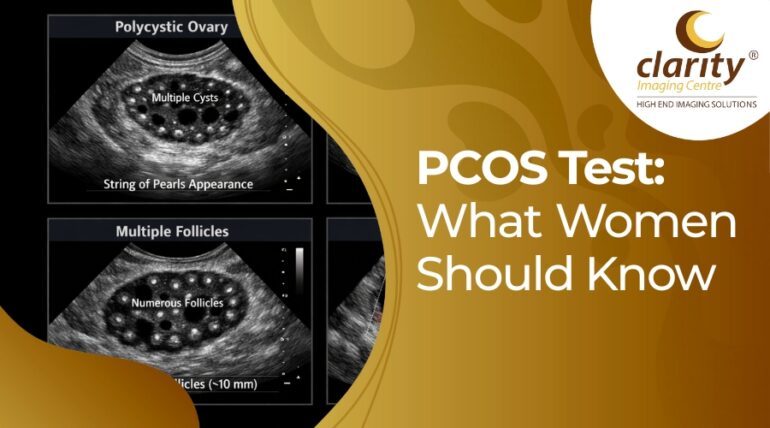
- PCOS ultrasound to check whether the ovaries have multiple small cysts or show changes typical of PCOS.
Doctors often diagnose PCOS if at least two of the following are present:
- Irregular or absent ovulation
- High levels of male hormones causing symptoms like acne or excess hair growth
- Polycystic appearance of ovaries on ultrasound
What Tests Are Done to Diagnose PCOS?
Doctors use multiple tests together to understand a woman’s hormonal health, ovarian function, and rule out other conditions before diagnosing PCOS. Here are the main diagnostic tests commonly recommended:
1. Hormone Blood Tests
These measure levels of reproductive hormones such as LH, FSH, estrogen, progesterone, and testosterone. An imbalance (like high androgens) can suggest PCOS.
2. Fasting Insulin & Glucose Tests
This checks how your body responds to sugar and insulin. Many women with PCOS have insulin resistance, which affects metabolism and weight.
3. Thyroid Function Test
Thyroid problems can mimic PCOS symptoms. Measuring TSH and thyroid hormones helps rule out thyroid disorders before confirming PCOS.
4. Prolactin Test
High prolactin levels can disrupt menstrual cycles like PCOS. This test ensures elevated prolactin isn’t the cause of missed or irregular periods.
5. Ultrasound of the Pelvis
An ultrasound scan visualizes the ovaries and uterus. It can show multiple small follicles (“cysts”) or changes in ovarian volume common in PCOS.
6. Lipid (Cholesterol) Profile
PCOS often affects metabolic health. Checking cholesterol and triglycerides helps assess risk for heart disease and metabolic issues.
7. Androgen Index Tests
Tests such as Free Androgen Index (FAI) and DHEA-S levels help determine the amount of active male hormones that contribute to symptoms like excess hair or acne.
8. 17-Hydroxyprogesterone Test
This helps rule out non-classic congenital adrenal hyperplasia, a condition with symptoms similar to PCOS.
9. SHBG (Sex Hormone-Binding Globulin)
Lower SHBG is common in PCOS and increases free testosterone. Measuring SHBG helps refine diagnosis and hormone interpretation.
10. Pelvic Doppler or Advanced Imaging (Selective)
In some cases, doctors may recommend additional imaging to evaluate blood flow or structural abnormalities unrelated to PCOS.
How is PCOS Managed or Treated?
PCOS cannot always be permanently cured, but it can be effectively managed with the right treatment and lifestyle changes. Treatment usually depends on symptoms, age, and whether pregnancy is planned.
1. Lifestyle Changes
Healthy eating, regular PCOS exercise, and weight management help regulate hormones and improve periods. Even small weight loss can reduce symptoms significantly.
2. Medications for Hormone Balance
Doctors may prescribe PCOS medicine to regulate menstrual cycles, reduce excess hair growth, acne, and control hormone imbalance.
3. Insulin Resistance Treatment
Some women are given medicines that improve insulin response, helping manage weight, periods, and ovulation.
4. Fertility Treatment (If Planning Pregnancy)
Women trying to conceive may receive ovulation-support treatments to improve chances of pregnancy.
5. Skin & Hair Symptom Treatment
Treatment options help manage acne, hair thinning, or unwanted facial/body hair caused by hormone imbalance.
6. Long-Term PCOS Self Care
Regular exercise, balanced diet, stress control, and routine checkups with a gyno doctor are important for long-term management.
Can PCOS Be Cured?
There is currently no permanent PCOS cure, but proper treatment and PCOS self care help women live healthy, symptom-free lives.
Learn about the different pregnancy scans recommended to monitor a safe and healthy pregnancy journey.
Prevention & Long-Term Health Risks if Untreated
While PCOS cannot always be completely prevented, certain lifestyle habits can reduce risk and control symptoms early.
- Maintain a healthy body weight through balanced nutrition.
- Follow a diet low in processed foods and high in fiber and protein.
- Practice regular PCOS exercise like walking, yoga, or strength training.
- Manage stress through meditation, hobbies, or relaxation techniques.
- Sleep well and maintain a consistent routine.
- Track menstrual cycles and notice irregular changes early.
- Consult a gyno doctor if periods become irregular or symptoms appear.
- Start PCOS self care habits early to avoid complications later.
Early awareness and lifestyle changes help women manage PCOS better and prevent long-term health issues.
Disclaimer
The information in this article is meant solely for educational awareness and general information. It is not intended to replace professional medical advice, diagnosis, or treatment. Always consult a qualified healthcare professional or doctor regarding any medical condition or health concern.
Conclusion
PCOS is a common condition, but with early diagnosis and proper care, women can successfully manage symptoms and lead a healthy life. Recognizing the signs early and getting the right tests done helps prevent long-term complications and supports better reproductive and overall health.
If you are experiencing symptoms related to PCOS, don’t delay your consultation and screening. Visit a trusted Ultrasound Scan Centre in Coimbatore for accurate diagnosis and expert medical guidance to take the right next steps toward better health.
FAQs
1. What tests are done to diagnose PCOS?
Blood hormone tests, ultrasound scans, and symptom evaluation are commonly used.
2. How to test for PCOS?
PCOS is tested using blood tests, ultrasound scans, and medical symptom review.
3. How is the PCOS test done?
Doctors use blood tests and pelvic ultrasound scans to check hormone levels and ovaries.
4. How do you confirm that you have PCOS?
PCOS is confirmed through symptoms, hormone tests, and ultrasound scan results.
5. What is the PCOS test price?
PCOS test cost varies by hospital and tests required, usually ₹1,500–₹5,000.


