


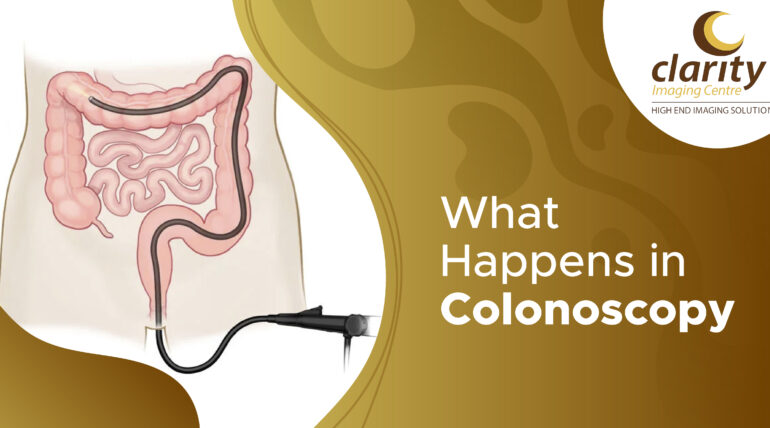
If your doctor suggests a colonoscopy, you may understandably be nervous or curious about what the procedure entails. Many women ask if the test would be uncomfortable and what to expect during the procedure. A colonoscopy is a popular diagnostic procedure used to assess the health of the large intestine. It enables doctors to discover digestive issues early and identify any irregularities before they become problematic.
Understanding the method, preparation, and recuperation can help reduce fear and make you feel more at ease about taking the test. This article explains how a female colonoscopy is performed and what to expect during the procedure.
What Is a Colonoscopy?
A colonoscopy is one of the most effective diagnostic tools for intestinal health.
Doctors utilize it as an intestinal test to visually evaluate the colon for abnormalities such as inflammation, growths, and bleeding.
The doctor will insert a colonoscope through the rectum to carefully examine the intestinal lining.
Common colonoscopy applications include:
- Detecting Colon Polyps
- Screening for colorectal cancer
- Identifying the causes of prolonged abdominal pain
- Investigating inexplicable bleeding
This diagnostic test is essential for early disease diagnosis and preventive therapy.
What is Female Colonoscopy?
A female colonoscopy is a medical procedure performed to examine the interior of the large intestine. Doctors use a small, flexible tube equipped with a camera to observe the colon’s lining.
Before having a colonoscopy, many individuals are curious about what it is. In simple terms, it is an internal examination of the colon and rectum that helps doctors detect digestive health problems.
The process is comparable to the normal colonoscopy performed on males. However, doctors may take extra precautions when performing the test on women, since anatomical abnormalities can make the colon somewhat longer or more curved.
Why Is Colonoscopy Done?
Doctors recommend this test when certain digestive symptoms arise or when routine screening is required.
The goal of a colonoscopy test is to detect abnormalities in the large intestine and diagnose diseases early.
Some common reasons for the test include the following:
- Persistent stomach pain
- Blood in the stool
- Chronic diarrhoea or constipation.
- Screening for colorectal cancer beyond age 45
Many people want to know what diseases can be diagnosed by a colonoscopy.
| Condition | Description |
| Colon polyps | Small growths that may become cancerous |
| Colorectal cancer | Early detection improves treatment success |
| Inflammatory bowel disease | Includes Crohn’s disease and ulcerative colitis |
| Intestinal bleeding | Identifies the source of internal bleeding |
Is Colonoscopy Painful for Women?
Most women experience little or no pain during treatment.
The test is typically performed under sedation, which helps you remain calm and comfortable. As a result, many patients have difficulty remembering the operation later.
During the inspection, you may experience minor pressure or cramping as the scope passes through the colon. However, discomfort is usually mild.
Doctors carefully monitor patients to ensure that the procedure is safe and comfortable.
Why Women May Feel Concerned?
It is normal for women to be worried before taking this test.
Some reasons for concern could include:
- Fear of discomfort during the exam
- Anxiety regarding the preparation procedure
- Embarrassment regarding the procedure
However, current medical methods and anaesthesia make the exam far easier than many individuals anticipate.
Understanding how a colonoscopy is performed can help minimize fear and boost confidence before the procedure.
Preparation Before Colonoscopy
Proper preparation is necessary for accurate results.
Your doctor will provide guidelines to ensure your colon is completely clear before the test.
Preparation often includes:
- Following a clear liquid diet before the test
- Taking the recommended bowel cleansing medicine
- Avoiding a few medications briefly
Preparation allows the doctor to have a clear view of the colon during inspection.
Patients frequently consider the cost of a colonoscopy when arranging their treatment, as fees can vary by hospital and additional services required. The colonoscopy cost is around Rs. 5500/.
What Happens During the Procedure
The examination is normally conducted in a hospital or diagnostic centre.
| Step | Description |
| Sedation | Medication helps you relax |
| Scope insertion | Colonoscope inserted through the rectum |
| Colon inspection | The camera transmits images to monitor |
| Tissue sampling | Polyps or samples may be removed |
The doctor carefully examines the colon lining as he moves the scope through the large intestine.
Many people wonder how long a colonoscopy takes. The surgery normally takes between 20 and 45 minutes, depending on what the doctor discovers.
Sedation & Comfort Measures
Sedation is a crucial factor in improving patient comfort.
During this procedure:
- You stay relaxed and sleepy
- Pain feeling is minimised
- Vital signs are continually monitored
For most patients, these steps contribute to a more comfortable and stress-free experience.
Recovery After the Procedure
Recovery is usually fast and simple.
Following the examination, you may spend some time sleeping in the recovery area while the sedative wears off.
Common transient effects include:
- Mild bloating
- Gas or stomach discomfort
- Drowsiness due to sedation
These symptoms usually disappear after a few hours.
Risks & Safety Considerations
A colonoscopy is typically considered safe when conducted by a competent professional.
However, every medical operation carries rare risks.
Potential colonoscopy side effects may include:
- Mild bleeding following polyp ectomy
- Temporary abdominal discomfort
- Reaction to Sedation
Serious problems are rare and occur in extremely few scenarios.
When to Contact a Doctor
If you experience any unexpected symptoms following the surgery, get medical attention.
Consult your doctor if you experience:
- Severe abdominal pain
- Persistent bleeding
- Fever or chills
- Continuous vomiting
These symptoms are uncommon yet necessitate quick medical attention.
Disclaimer
The information in this article is meant solely for educational awareness and general information. It is not intended to replace professional medical advice, diagnosis, or treatment. Always consult a qualified healthcare professional or doctor regarding any medical condition or health concern.
Conclusion
A colonoscopy is a valuable diagnostic tool that allows doctors to evaluate the health of the large intestine. Although many women are concerned about discomfort, the process is usually painless, as anaesthesia keeps you calm throughout the inspection.
Understanding the preparation, surgery, and recovery can help reduce anxiety and make the experience much smoother. The test enables doctors to discover digestive issues early, remove potentially hazardous polyps, and avoid major disorders like colon cancer.
If your doctor suggests this test, consider scheduling the test at a trusted diagnostic center.
Early screening can help detect digestive issues and support better long-term health.
FAQs
1. What happens during a colonoscopy for a woman?
A doctor inserts a short, flexible tube containing a camera into the rectum to check the colon. Sedation is frequently used to keep you relaxed and comfortable throughout the process.
2. Does a female do a colonoscopy?
Yes, male and female gastroenterologists, as well as qualified medical professionals, can perform colonoscopies.
3. Why are female colonoscopies harder?
Some women’s colons are significantly longer or more curved, which might make navigation more difficult for doctors.
4. Are your private parts exposed during a colonoscopy?
No, you wear a medical gown that exposes only the area needed for the surgery, leaving the rest of your body covered.
5. How long does a female colonoscopy take?
The operation typically takes 20-45 minutes, depending on whether polyps are discovered or samples are collected.
6. Is colonoscopy more painful than endoscopy?
Not generally. Both procedures are performed under anaesthesia, so most patients have minimal or no pain.
7. What is the recovery time for a colonoscopy?
Most people recover from sedation within a few hours and can resume normal activities the next day.
8. What is the last meal the day before a colonoscopy?
Doctors typically recommend a small lunch followed by a clear-liquid diet, such as broth, pulp-free juice, or clear soup.


