


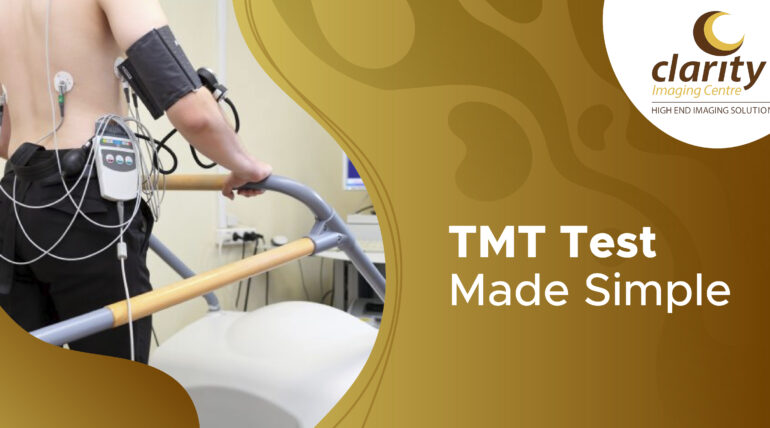
Heart disorders can grow silently, with symptoms appearing only when the condition becomes critical. As a result, doctors propose certain diagnostic procedures to assess how the heart operates during physical activity. The TMT test is a common test that assesses how the heart responds to increasing amounts of exercise.
This diagnostic technique is simple, non-invasive, and widely used in cardiology. It gives useful data on blood flow to the cardiac muscles during physical stress. When the body works harder, the heart needs to pump more quickly and efficiently. Observing how the heart reacts during this action allows doctors to discover potential coronary artery problems.
Many people are encouraged to undergo this examination if they experience symptoms such as chest pain, shortness of breath after exercise, or unusual exhaustion. It is also advised for those with risk factors such as high blood pressure, diabetes, obesity, or a family history of heart disease.
Understanding this method might help in relieving anxiety and make the experience more comfortable. This guide covers all you need to know, including the goal, technique, preparation, and how doctors interpret the results.
What Is a TMT Test?
Many people are curious about the TMT test and how it helps diagnose cardiac issues. The treadmill test is a diagnostic examination that measures heart rate as a person walks on a treadmill.
During this procedure, the patient walks or jogs at progressively increasing speed and incline while connected to an electrocardiogram. The equipment monitors the heart’s electrical activity during exercise.
This approach allows doctors to see how the heart responds when the body requires extra oxygen. In more advanced cardiac examinations, clinicians may combine it with imaging procedures, such as an echocardiogram, to obtain additional structural information.
Another variation in cardiac screening is the CTMT test, which may be recommended depending on the patient’s medical condition and diagnostic needs.
Why Is a TMT Test Done?
Doctors typically recommend this evaluation to explain why the TMT test is performed in persons who exhibit symptoms of heart disease or are at risk of cardiovascular disease.
Common TMT test applications include:
- Detecting clogged or constricted coronary arteries
- Evaluate chest pain with physical activities
- Monitoring cardiac function following treatment
- Evaluating exercise tolerance in heart patients
It may also be recommended for people with risk factors such as high blood pressure, diabetes, or a family history of heart disease.
When a more in-depth examination of the coronary arteries is required, physicians may recommend additional diagnostic imaging, such as a cardiac CT scan near Coimbatore.
How a TMT Test Works?
The treadmill test approach aims to increase physical activity while monitoring heart function gradually.
The method usually includes the following steps:
- Electrodes are put on the chest to monitor ECG activity.
- Blood pressure is measured at regular intervals.
- Treadmill speed and inclination progressively increase.
- Doctors monitor cardiac rhythm and symptoms during exercise.
Patients are urged to walk until they attain their desired heart rate or become fatigued. The TMT test normally lasts between 10 and 20 minutes, depending on the individual’s physical level and medical condition.
TMT Test Procedure
The test is often performed in a hospital or diagnostic facility under the guidance of a certified medical professional.
- Preparation: The electrodes and blood pressure cuff are attached.
- Initial Stage: The patient starts walking slowly on the treadmill.
- Gradual Increase: The speed and inclination are increased in phases.
- Monitoring: Heart rate and blood pressure are recorded.
- Recovery: Heart activity is evaluated after exercise ends.
Doctors can compare data to a normal TMT test report to see whether the heart is functioning appropriately under physical stress.
Preparation Before TMT
Proper preparation leads to accurate findings and a pleasant testing experience.
Patients are frequently urged to follow the following guidelines:
- Wear comfortable clothing and walking shoes.
- Avoid heavy meals before the test.
- Inform your doctor about the meds you’re taking.
- Avoid caffeine and smoking before the test.
When a complete cardiac examination is required, the evaluation may also be recommended as part of preventive heart screening, in conjunction with imaging procedures.
Risks & Safety
The test is deemed safe and commonly used in cardiac diagnosis.
Medical professionals continuously monitor the surgery to guarantee patient safety. However, as the heart is pressured by exercise, a few mild symptoms may appear.
Possible temporary consequences include:
- Fatigue or shortness of breath
- Slight chest discomfort
- Temporary dizziness
Serious consequences are exceedingly rare because the test is terminated as soon as unwanted symptoms emerge.
Understanding TMT Results
Following the test, doctors examine the ECG results, heart rate variations, and blood pressure reactions.
The results are often divided into two groups:
| Result Type | Meaning |
| Normal | Heart function remains stable during exercise |
| Abnormal | Signs of reduced blood flow to the heart |
An ECG in the normal range indicates that the heart is working correctly during exercise. However, abnormal results may necessitate further investigation.
What Happens After the Test
After the test, patients are allowed to relax until their heart rate returns to normal. Doctors analyse the findings and may recommend additional testing if necessary.
For example, a TMT positive result indicates probable indicators of decreased blood flow to the heart. In such circumstances, physicians may offer additional tests or treatment choices.
When the results are normal, the doctor may explain that the TMT test was negative, suggesting no substantial abnormalities were detected during activity.
If problems are discovered, doctors may recommend medication, lifestyle changes, or TMT test-positive treatment, such as more heart examinations.
Check out the Coronary Cardiac CT Scan in detail in this blog.
When to See a Doctor
If you have symptoms that suggest a heart issue, you should see a doctor.
Seek medical advice if you observe:
- Chest pain with strenuous activities
- Shortness of breath
- Unusual weariness while exercising
- Irregular heartbeats
Doctors may also propose evaluations for certain populations, such as TMT testing for female patients with risk factors like diabetes, obesity, or a family history of heart disease.
Disclaimer
The information in this article is meant solely for educational awareness and general information. It is not intended to replace professional medical advice, diagnosis, or treatment. Always consult a qualified healthcare professional or doctor regarding any medical condition or health concern.
Conclusion
The TMT test is a useful diagnostic technique for understanding how the heart works during physical activity. It provides essential information on cardiovascular health and helps doctors detect early signs of heart disease.
The test, which monitors cardiac rhythm, blood pressure, and exercise tolerance, allows healthcare providers to discover potential problems before they worsen. Understanding the process, whether for symptom evaluation or preventive screening, helps make patients feel more confident and prepared.
Regular cardiac checks, a healthy lifestyle, and prompt medical consultations all contribute to good cardiovascular health.
FAQs
1. What if a TMT test is positive?
A positive result could indicate decreased blood flow to the heart during exercise. Doctors frequently recommend additional testing, such as a CT scan or angiography, to determine the cause.
2. Are TMT and ECG the same?
No. An ECG measures heart activity at rest, whereas a TMT assesses how the heart operates during exercise.
3. Can a TMT test detect blockage?
It can indicate a suspected coronary artery blockage, but it cannot pinpoint the particular spot. Additional imaging tests are typically required.
4. Can TMT detect heart failure?
Not directly. It may indicate an aberrant heart response to exercise, but further testing is required to establish heart failure.
5. Which test is better for heart echo or TMT?
Both have different objectives. Echo depicts a heart-shaped image and shows heart function under physical stress, whereas TMT assesses heart function under physical stress.
6. How can I improve my TMT test results?
Regular exercise, eating a heart-healthy diet, managing blood pressure, and quitting smoking can all help improve heart fitness.
7. Can anxiety cause positive TMT?
Sometimes. Anxiety can raise heart rate and symptoms, which can affect test results in


