


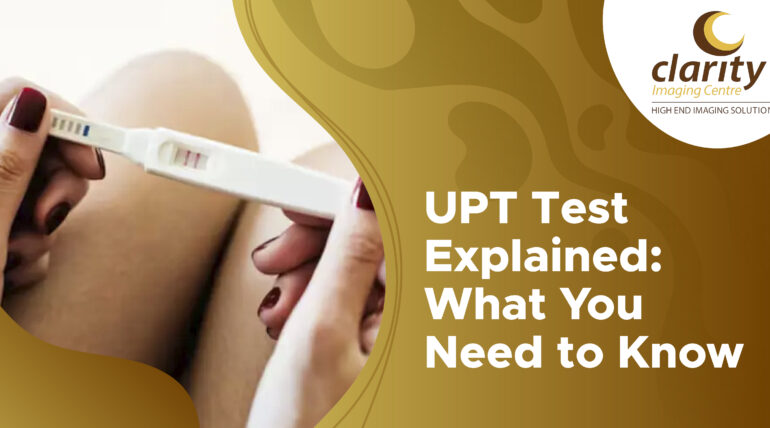
Quick Overview
The UPT test is a simple and reliable method to detect pregnancy by identifying the hCG hormone in urine. This guide explains how the test works, the best time to take it, how to read results, factors affecting accuracy, and the next steps after testing, helping you make informed decisions during early pregnancy.
Quick Answer
A UPT test confirms pregnancy by detecting hCG hormone in urine and provides reliable results when taken after a missed period, preferably using early-morning urine.
Table of Contents
- What Is a UPT Test?
- Purpose of UPT Test
- How Does the UPT Test Work?
- When to Take a UPT Test?
- UPT Test Procedure
- Accuracy of UPT Test
- Understanding UPT Test Results
- Factors Affecting Results
- Preparation Before Test
- What to Do After Results?
- When to See a Doctor?
- Pregnancy Scan Guide
- Disclaimer
- Conclusion
- FAQs
Introduction
Taking a pregnancy test can be an emotional experience, full of questions and expectations. Many people seek clear, reliable information before administering a home test or visiting a laboratory. This article covers all you need to know about the UPT test simply and reassuringly, including its purpose, accuracy, time, and result interpretation, so that you may feel confident at every stage.
What Is a UPT Test?
A UPT test detects pregnancy by recognising the presence of the hormone hCG in urine. If you’re wondering what a UPT test is, it’s typically the first step people take to confirm pregnancy at home or in clinics. The test determines whether fertilisation occurred and implantation began. It is commonly used because it is quick, inexpensive, and easy to implement.
Purpose of UPT Test
The primary purpose of the test is to detect early pregnancy. A UPT pregnancy test can determine whether a missed period or symptoms such as nausea are caused by pregnancy. Doctors also recommend it before specific medical procedures or drugs. For many, it solves the prevalent question of how to confirm pregnancy at home without intrusive procedures.
How does the UPT Test Work?
Understanding how a pregnancy test kit works makes the results more trustworthy. Following implantation, hCG is released into the bloodstream and urine. The test strip or cassette in a pregnancy kit contains antibodies that react to this hormone. When urine runs over the strip, a chemical reaction creates visual lines or symbols that indicate the result.
UPT Test: Timing, Results, and Next Steps
When to Take a UPT Test?
Timing plays a major role in accuracy. The best time to test is after a missed period, typically 10-14 days after ovulation. Testing too soon may result in ambiguous results. Early-morning urine is preferred because hCG levels are at their peak, making detection easier.
UPT Test Procedure
Using a test at home is simple. A urine sample is collected and applied to a test strip or cassette, often referred to as a UPT kit or test kit. After a few minutes, the result emerges. These urine pregnancy strips are easy to use, even for first-timers.
Accuracy of UPT Test
When appropriately utilised, home tests are pretty reliable. Most claim more than 99% accuracy after a missed menstruation. However, failure to follow directions can reduce accuracy. For confirmation, some people choose lab testing at a reputable facility, such as the best laboratory in Coimbatore, especially when results are uncertain.
Understanding UPT Test Results
Reading the UPT test result correctly is critical. A single line often signifies a negative test, whereas two lines or a plus sign indicate a positive test. A faint line, known as UPT weakly positive, can appear in very early pregnancy. If no line appears in the intended location, the test may be faulty. Understanding pregnancy urine test results as described by professionals reduces confusion.
Factors Affecting Results
Several aspects can influence the outcome. Diluted urine, premature testing, outdated kits, and incorrect storage can all affect accuracy. Some hCG-containing medicines may also interfere. In rare circumstances, a UPT negative result indicates that pregnancy is still possible, particularly if testing is done early.
Preparation Before Test
Avoid drinking too much fluid before the test. Check the pregnancy test’s expiration date and read the directions carefully. Choose a calm moment to test, as tension can make interpreting results more difficult. Simple preparation boosts confidence in the results.
What to Do After Results?
If the results are positive, schedule a doctor’s appointment to confirm the pregnancy and plan the next steps. A negative result with persistent symptoms may necessitate a repeat test after a few days. Some people choose a pregnancy blood test because it measures hCG levels more accurately than urine testing.
When to See a Doctor?
Consult a doctor if the results are unclear, symptoms persist despite a negative test, or you are experiencing discomfort or bleeding. Medical supervision guarantees safety and clarity, particularly during the early stages of pregnancy.
Check the complete list of pregnancy scans and understand when each scan is needed during your pregnancy journey.
Disclaimer
The information in this article is meant solely for educational awareness and general information. It is not intended to replace professional medical advice, diagnosis, or treatment. Always consult a qualified healthcare professional or doctor regarding any medical condition or health concern.
Conclusion
The UPT test is a simple and effective method for early pregnancy detection, providing prompt results at a critical time. Understanding its aim, timing, and result interpretation allows you to utilise it confidently and determine when to seek medical counsel. Accurate information and calm preparation make the procedure more efficient and reassuring.
FAQs
1. When to do the UPT test?
A UPT test is recommended after a missed period, preferably 10-14 days following ovulation.
2. How to check pregnancy at home?
You can check for pregnancy at home by using a urine pregnancy test kit and early morning urine.
3. How many days after checking the pregnancy test?
You can take a pregnancy test about 10 days after ovulation, but the results are more reliable after a missed period.
4. When to take pregnancy test after missed period?
To get accurate results, the test should be taken 1-2 days following a missed period.
5. How early can UPT detect pregnancy?
UPT can identify pregnancy as early as 8-10 days after ovulation, but the accuracy improves over time.
6. What is the best time of day to test?
The optimal time is early in the morning, as urine contains the highest levels of hCG.
7. Does a 2-hour urine hold a pregnancy test?
Yes, storing urine for 2-4 hours can increase hCG levels and support early testing.
8. What does a UPT test for?
A UPT test detects the presence of the pregnancy hormone hCG in urine.
9. What is the minimum days to confirm pregnancy?
Pregnancy is usually verified 10-14 days after ovulation or after a missed period.
10. How do I know if I’m implanting?
Implantation may cause mild cramping, spotting, or a modest drop in basal body temperature.
11. What are the signs of successful implantation?
Common symptoms include light spotting, mild stomach cramping, breast pain, and fatigue.


