


Introduction
Blood tests are often used to check how well the body is working. One such test is the total leucocyte Dental health goes beyond brushing and flossing your teeth; it also requires an understanding of your dental and jaw structure. One instrument considered extremely useful for dentists in understanding their complete dental situation would be an OPG X-ray. Whether you are suffering from a toothache or planning to have braces or implants, an OPG X-ray would be indispensable.
What is an OPG X-ray?
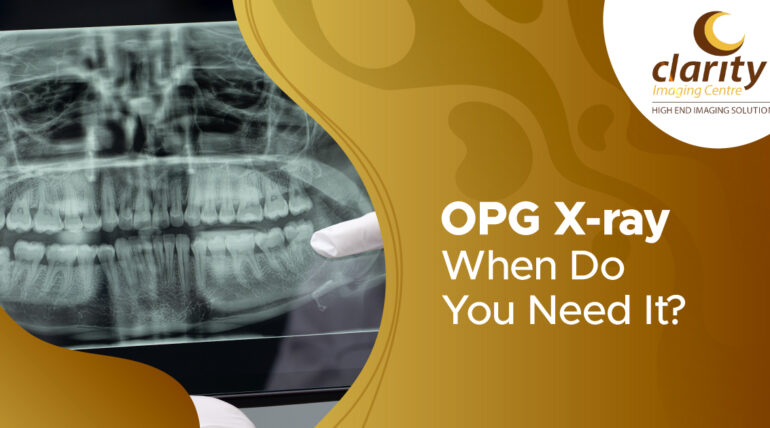
An OPG X-ray or Orthopantomogram is an intraoral dental X-ray that captures a panoramic image of your dental structure. It captures an image of your whole mouth with all your teeth and jaws. It is an alternative to traditional intraoral X-rays because it concentrates on a small area. It presents a wide area and can identify problems with your dental structure.
Purpose and Significance
The OPG full form is Orthopantomogram, and its main purpose is to help dentists evaluate your oral health efficiently. It is particularly important for:
- Diagnosing wisdom teeth issues
- Dental implants or extraction planning
- Analysis of jaw configuration and development
- Identifying cysts, tumours, and jaw problems
- Pre-braces assessment for orthodontic treatment
It provides a better understanding of teeth and jaw alignment. An OPG dental X-ray helps avoid complications and ensures accuracy in treatment planning.
When is it recommended?
Dentists normally prescribe Orthopantomography X-rays under the following conditions:
- Persistent tooth or jaw pain
- Swelling or infection in the gums
- Difficulty in chewing or jaw movement
- Preparing for orthodontic treatment
- Monitoring growth and development in children
- Before surgical procedures or implants
Step-by-Step Procedure
The process is simple, painless, and rapid:
Preparation: Remove jewellery or metal from the area around the head and neck.
- Positioning: You would stand and place yourself within the OPG unit, and your chin would rest on a support. You would then bite down on a small peg.
- Imaging: The unit will circle your head, taking a panoramic picture of your jaw and teeth.
- Time Required: The whole process will require about 10-20 minutes.
- There are no special dietary requirements or fasting necessary before scanning.
What Does the OPG Detect?
An “OPG scan” may disclose several problems with your teeth:
- Impacted or unerupted wisdom teeth (wisdom teeth X-ray)
- Cavities, Tooth Decay, and Bone Loss
- Jawbone fractures, cysts, and tumours
- Alignment problems with orthodontic braces and orthodontic treatment
- Implants and dentures planning
Normal vs Abnormal Findings:
Normal findings would include nicely aligned teeth, a healthy jawbone, and properly spaced teeth. Abnormal presentations include impacted teeth, loss of bone, cysts, and crooked jaws. The dentist will interpret your result and provide recommendations.
Advantages of OPG
- Comprehensive view of the mouth in a single scan
- Quick, painless, and non-invasive
- Assists in accurate diagnosis and treatment planning
- Reduces the need for multiple X-rays
Safety and Radiation Exposure
An OPG scan requires a low dose of radiation, which is much less than that of a CT scan. Multiple safety measures, like lead aprons, are also employed to reduce radiation exposure. Because of this, an OPG scan is completely safe for patients, including kids. It doesn’t cause any pain.
Cost of Orthopantography/OPG
The cost of an OPG X-ray in India varies between 300 and 800 INR, depending on the diagnostic center and location. It is relatively inexpensive and easy to access, making it applicable for general dental check-ups.
Where To Get The Scan
To get an accurate result, it’s better to select a reliable facility. You have high-end access to an X-ray scan center in Coimbatore at Radical Imaging or elsewhere at some reliable dental radiology centers. Skilled people will help you get a proper result.
Conclusion
An OPG dental X-ray is a simple yet very useful device that will help an individual maintain proper oral health. It will be very useful if an individual experiences any pain associated with the dental cavity or undertakes any dental procedures.
FAQs
1. What is OPG X-ray?
It is a panoramic dental X-ray capturing the entire mouth, teeth, and jaws in one image.
2. How to read OPG X-ray?
Your dentist interprets the scan, looking for tooth alignment, bone health, and any abnormalities.
3. How to take OPG X-ray?
By visiting a dental radiology center, standing or sitting in the OPG machine while it rotates around your head.
4. Is OPG X-ray painful?
No, it is completely painless and non-invasive.
5. What is the OPG test for?
It is used to detect dental issues, plan orthodontics, implants, or assess jaw and wisdom teeth.
6. Is OPG radiation harmful?
No, the radiation dose is low and protective measures are used to ensure safety.
7. How long do OPG results take?
Results are usually ready within a few minutes to a few hours.
8. What does 1/2 3/4 mean at the dentist?
These numbers indicate tooth positions in dental charts.
9. What are the disadvantages of OPG?
It may not detect very small cavities or minor gum issues; supplementary X-rays may be needed.


